
When a host gets breached, every key on it has to go.
On October 21, 2026, that was every Railway customer. Kip has a plan for the next one.
Keyhouse isn't built yet. Join the waitlist and we'll email you when the hosted beta opens.
That signup didn't go through. Check the address and try again, or wait a minute if you sent several.



On October 21, it happened twice in one day.
A breach at Railway and a poisoned LiteLLM release, hours apart, and both reached developers' keys.

- Railway
Railway starts investigating. By 09:28, builds are paused in every region.
- LiteLLM
A poisoned LiteLLM 1.107.0 goes up on PyPI and, for about two hours, steals credentials from every machine that installs it.
- Railway
Railway warns that an intruder may have read customers' encrypted environment variables and asks everyone to revoke every variable.
- Railway
Railway invalidates every API token.
Different attacks, same instruction. Rotate everything.
Sources: Railway's disclosure, LiteLLM's write-up, and the full timeline on our blog.
Then you rotate every key by hand, one dashboard at a time.
Every key the host held is now suspect, and each one lives at a different provider.
- Find every key, on every service, in every environment
- Open each provider's dashboard and create a new key
- Paste it into the host and redeploy
- Revoke the old key and check its usage for strangers
- Repeat for the next provider, and the next
- Hope you didn't miss one
Every key is a separate dashboard, a separate redeploy and a separate chance to miss one. If you're doing this now, the free Exposure Check makes the list for you.
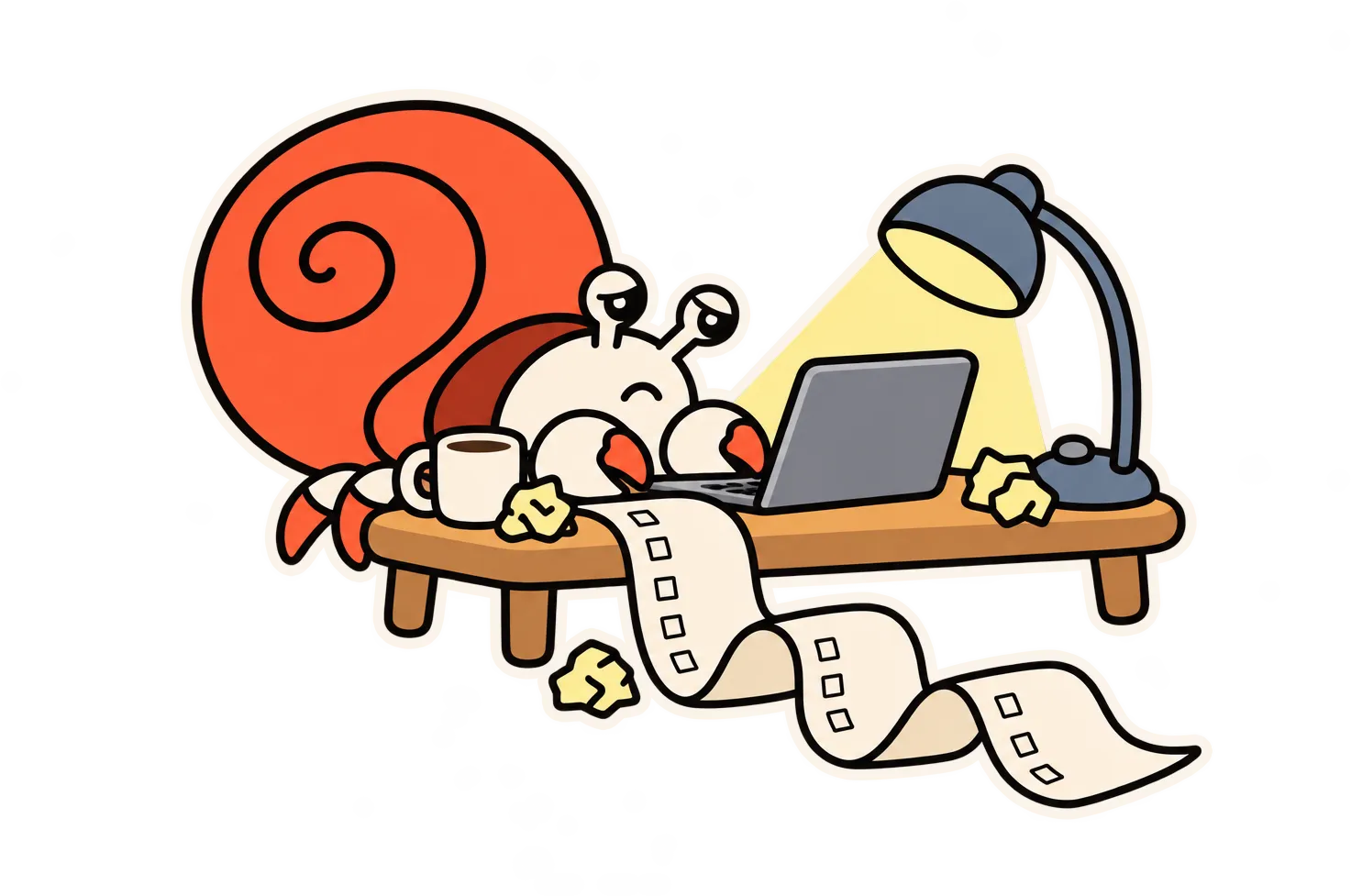
And you have more keys than ever, because you ship faster than ever.
With AI coding agents, one developer can put a new app online in an afternoon, and every app needs its own keys.
Each app takes a handful (OpenAI, Anthropic, Stripe, Resend, a database), and each environment takes them again. More apps means more keys, and every one is a key to rotate after a breach.

Every one of them sits on the host, where the attacker gets in.
Anyone who can read your host's variables holds your real keys.
Most secrets managers still copy the real value into those variables when you deploy, so a breached host leaks it anyway.
- OPENAI_API_KEY
- sk-proj-…
- real key
- STRIPE_SECRET_KEY
- sk_live_…
- real key
- DATABASE_URL
- postgres://…
- real password
So what if your host held nothing worth stealing?
Then a breach would cost you a few copies, and not one real key.




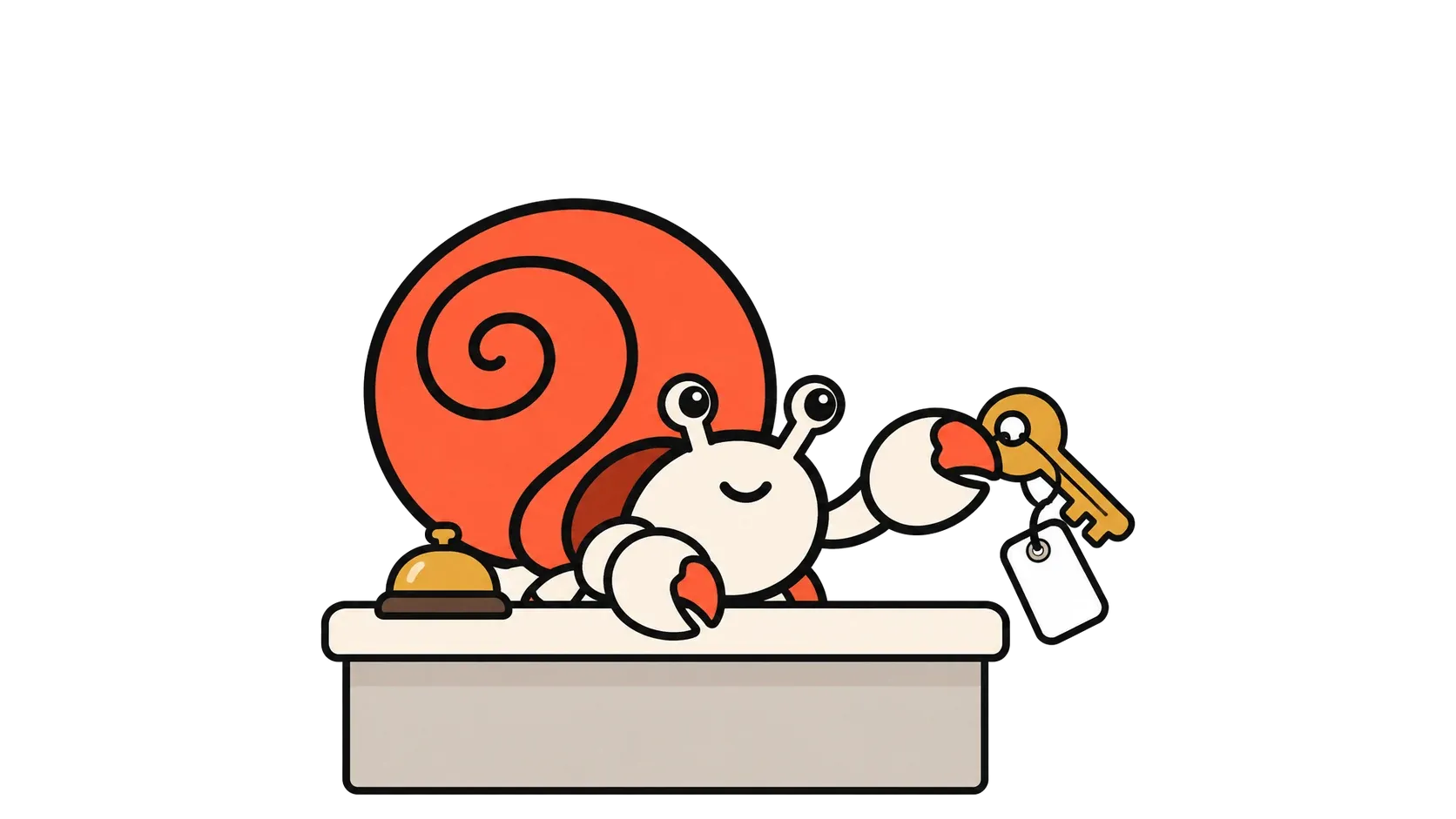
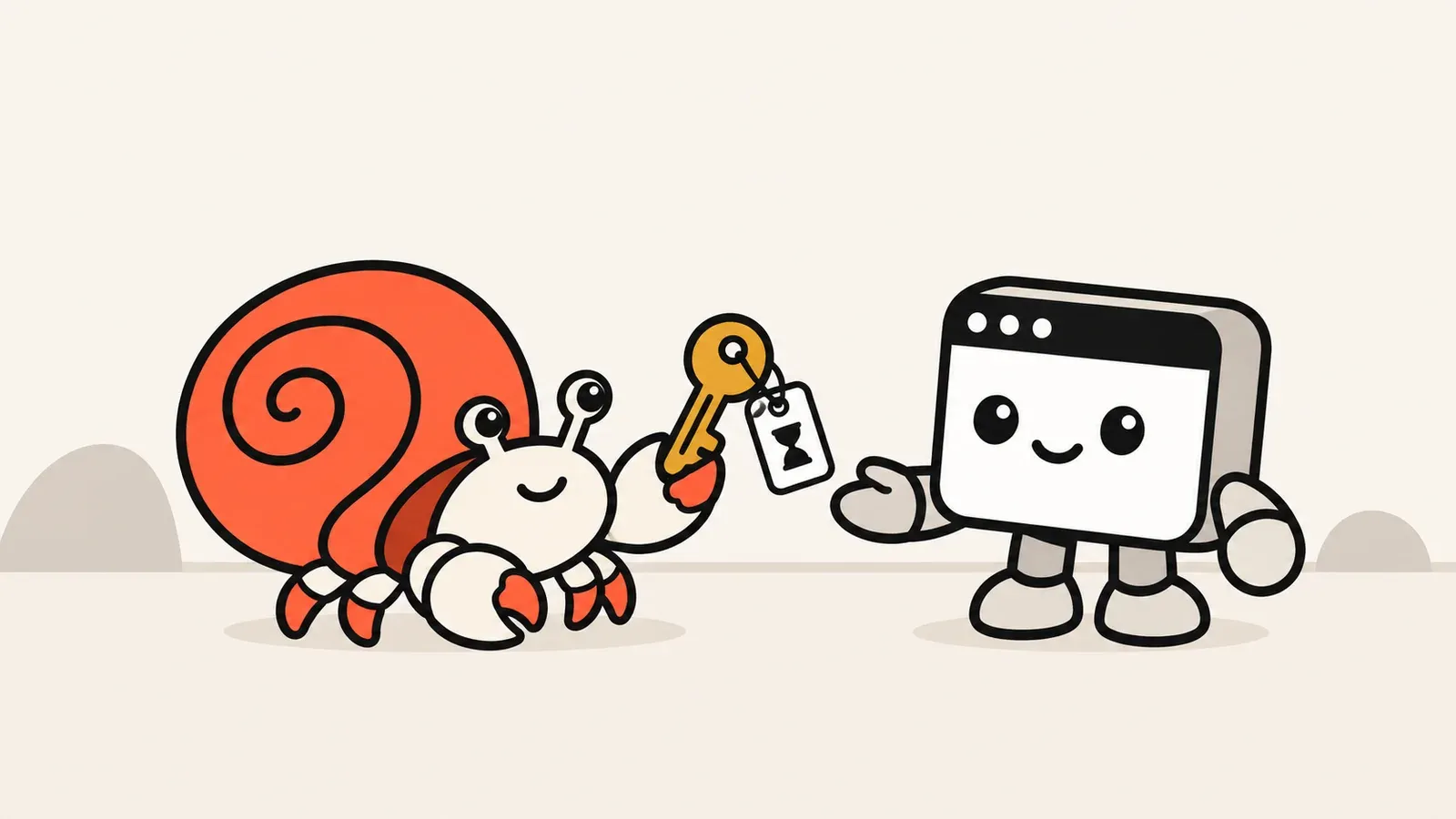
Meet Kip. He keeps the real keys and hands your apps copies.
Keyhouse stores each real provider key once. Every app, environment and agent gets its own copy, and a stolen copy is useless anywhere but Keyhouse. Most SDKs only need a new base URL.
OPENAI_API_KEY=sk-proj-…
# the real keyOPENAI_BASE_URL=https://gw.keyhouse.dev/openai/v1
OPENAI_API_KEY=kh_live_8f2c…
# a copy, refused anywhere but KeyhouseKeyhouse is in development. This is the planned setup, and the gateway address is illustrative.

- api · production
- worker · staging
- coding agent · 15 min
Next breach, you swap the copies. The real keys never move.
Keyhouse replaces every copy the host held and rewrites the host's variables for you.
Nothing changes at OpenAI or Stripe. The attacker leaves with copies that already stopped working.
- A host leaks
- Keyhouse replaces every copy on that host.
- One app leaks
- Only that app's copies change.
- A real key leaks
- You rotate it once at the provider. Your apps keep their copies.

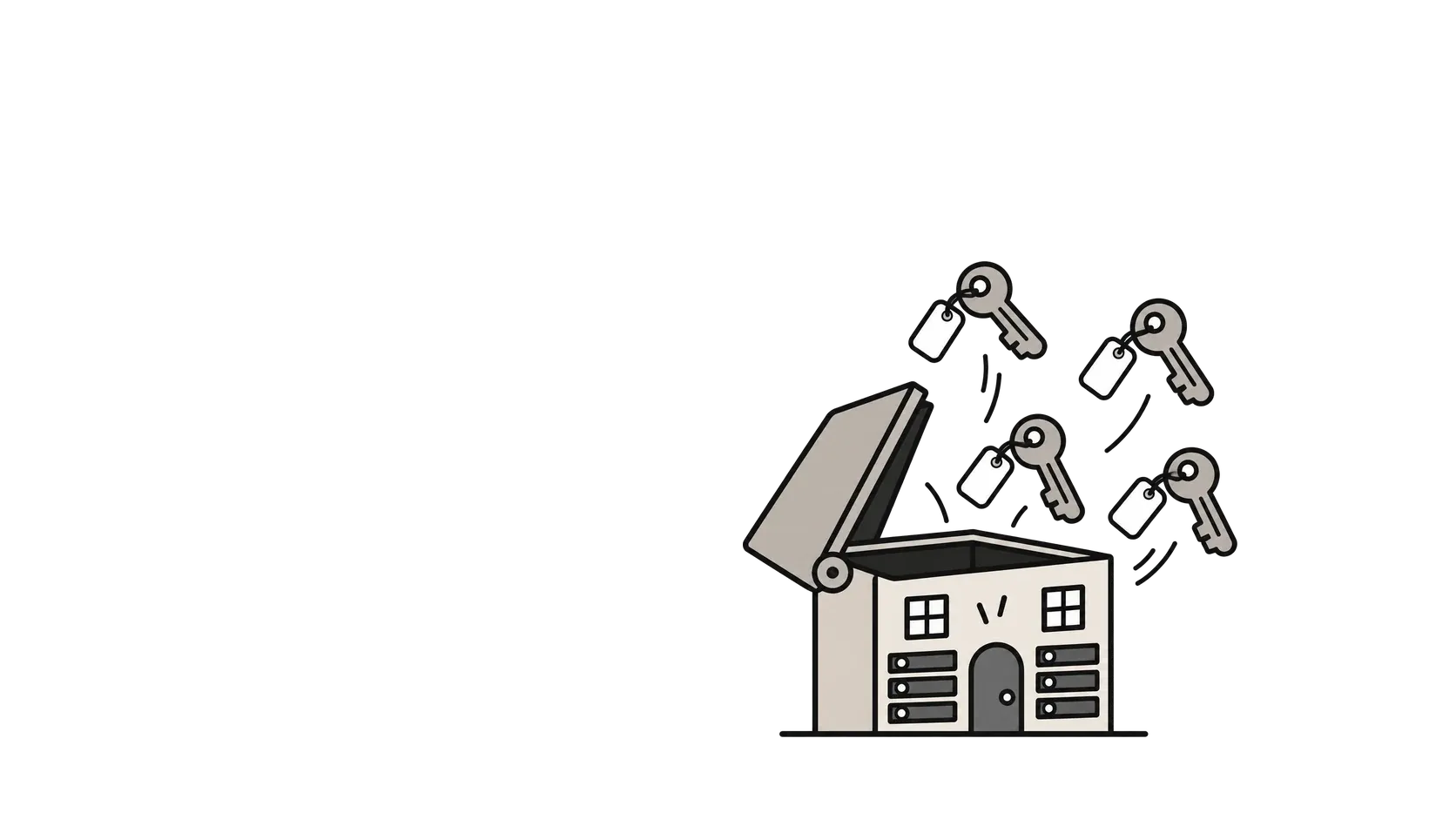

There's a catch. Keyhouse becomes the one place worth attacking.
A broker with every real key is a bigger target, so the code will be open source and self-hostable. The proxy will never log request bodies, and no endpoint will export a real key.
Your AI agents get copies too, and only when you approve.
An agent sees key names and where they're placed, never values.
To use, create or rotate keys, it asks for a grant scoped to specific keys and actions, for up to 24 hours. Nothing happens until you approve the grant. The MCP server and the dashboard run the same operations.


The next breach ends with 0 real keys lost.
Every rotation will end with a report by app, every use of the old keys in the last 48 hours, and a receipt you can post.



100 keys rotated in 6m 12s.
0 real keys left the shell.
Every claim on this page has a source on the blog.
All postsHow API keys leaked in 2026, and the habits that limit the damage
What went wrong at Vercel, OpenCode, Railway and LiteLLM, and ten habits that limit the damage when an API key leaks.
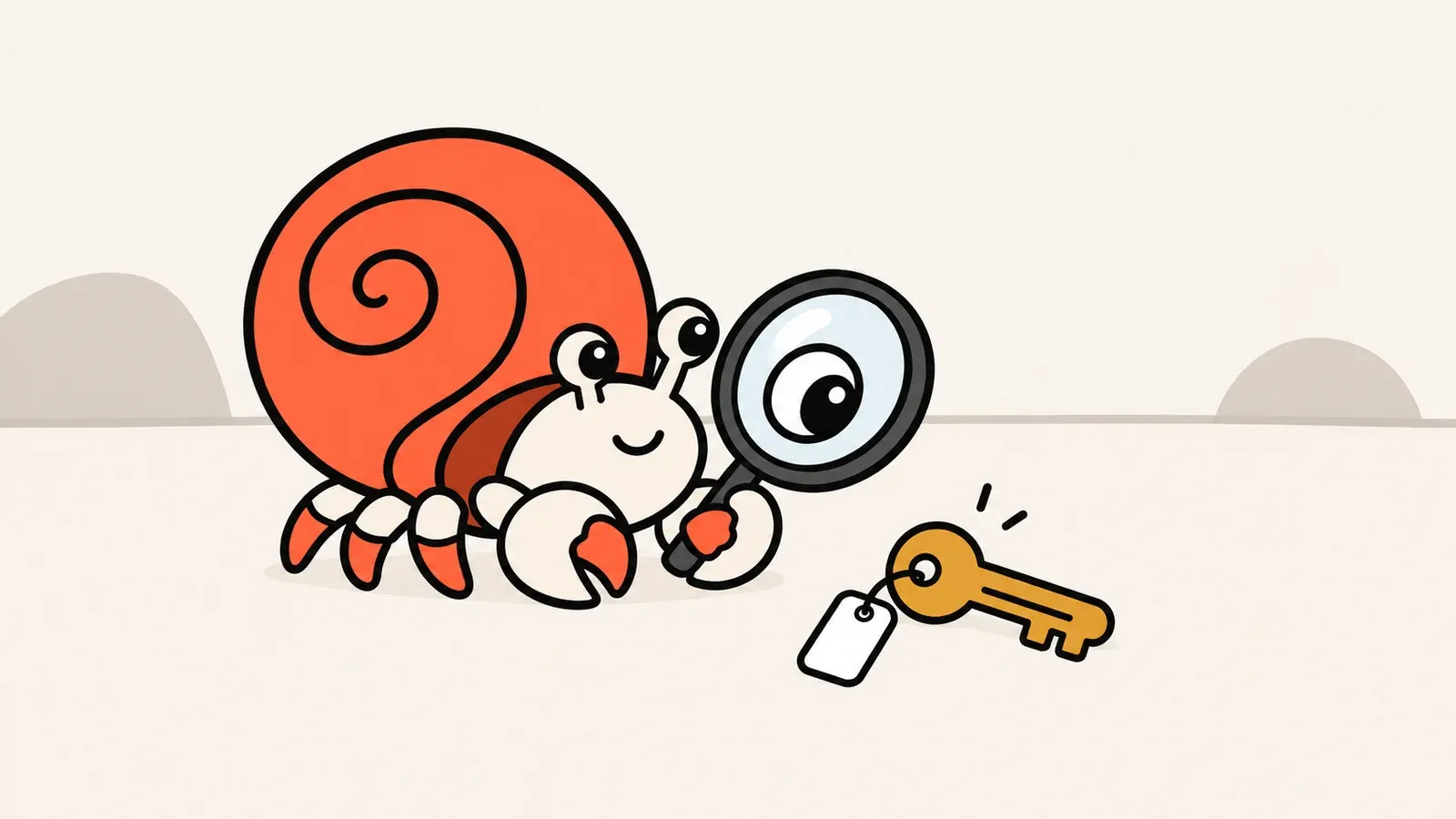
Introducing Keyhouse: proxy keys for your apps and your AI agents
Keyhouse gives your hosts and AI agents proxy keys instead of real API keys, so a host breach leaks nothing you'd rotate at OpenAI or Stripe.

How Keyhouse will work: proxy keys, a broker and scoped agent access
The planned design behind Keyhouse: proxy keys, the broker, envelope encryption, short-lived tokens, Cloudflare Workers and time-limited agent grants.
Keyhouse isn't built yet. Join the waitlist to get it first.
One email when the hosted beta opens, and a short note now and then on how the build is going.
No tracking. Reply to any email to leave the list.